Obtaining regulatory registration or licensing—whether under CDSCO, Legal Metrology, BIS, or other relevant frameworks—is a major milestone for any packer or producer. However, many corporations make a serious mistake: they treat registration because it is the last step rather than the beginning of ongoing compliance.
In reality, post-registration compliance is what regulators pay the most attention to. Any negligence after approval can result in consequences, suspension, license cancellation, and even product confiscation.
This website explains everything packers manufacturers need to do upon receiving registration, with compliance requirements, amendment procedures, and prudent strategies for staying fully compliant.
Understanding Post-Registration Responsibility
Once the registration certificates are provided, your business is legally responsible for:
- Maintaining the product great and safe
- Ensuring labeling compliance
- Recent government almost any adjustment
- Renewal or maintenance of licenses within the timeline
- Tasks that follow the relevant guidelines below include:
- Drugs and Cosmetics Act,
- Medical Devices Rules,
- Legal Metrology Act,
- Cosmetic Rules,
Lack of compliance at this level can directly affect the operations of your marketplace.
Label Compliance Maintenance
Even after approval, your product labels must always comply with new regulatory requirements.
- Main Responsibilities:
- Make sure you have all the mandatory declarations
- Maintain consistency between accepted files and actual labels
- If the guidelines trade off, update the labels
Avoid misleading claims or disclaimed statements
For example:
- Labeling on cosmetics is to coincide with the requirements of the Cosmetics Rules, 2020 as set out below
- Labeling on scientific instruments should follow the guidelines under the Central Organization for the Control of Pharmaceutical Standards
Failure to comply with labels is one of the most common causes of regulatory action.
Record Keeping and Documentation
After registration, it is mandatory to keep correct data and frequently audited with the help of the authorities.
You have to preserve:
- Batch manufacturing information
- Manipulate quality and check reviews
- statistics of distribution and income
- Remember the data to complain about
- Supplier and raw fabric documentation
Authorities can deal with an additional inspection at any time, and lack of documentation can result in consequences or license suspension.
Product Quality and Regulatory Compliance
Maintaining a consistent product exceptional isn’t optional—it’s far from a necessity of a crime.
Moves required:
- Follow authorized production strategies
- Adherence to Good Manufacturing Practices (GMP).
- Perform plain best testing
- Maintain verification and verification reviews
For scientific instruments and cosmetics, compliance with requirements such as ISO 13485 and ISO 22716 is highly encouraged and often required.
Handling Amendments in Registration
Businesses evolve, and changes are inevitable. However, any change related to your registration must be formally approved.
Common amendments include:
- Change in company name or address
- Addition or deletion of products
- Change in manufacturing site
- Change in authorized agent
- Modification in product composition or specifications
- Label changes
Important rule:
You cannot implement major changes without prior approval from the authority.
For example:
- Changes in medical device registration must be updated through the SUGAM Portal
- Cosmetic import or manufacturing changes must be updated under the Cosmetic Rules, 2020
Ignoring amendment requirements can make your existing license invalid.
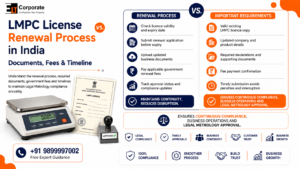
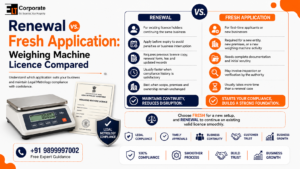
Renewal, Retention, and Validity Management
Most registrations are subject to validity conditions and require renewal or retention.
Key compliance points:
- Track validity timelines carefully
- Apply for renewal before expiry
- Submit retention fees where applicable
- Ensure no lapse in license validity
For example:
- Cosmetic registrations require retention compliance
- Medical device licenses may require periodic updates or compliance checks
A lapse in renewal can halt your business operations immediately.
Inspection and Audit Preparedness
Regulatory authorities such as the Central Drugs Standard Control Organization or the Department of Legal Metrology may also conduct inspections without prior notice.
Get organized:
- Updated documentation
- Clean and compliant production/packing facility
- Proper labeling and storage conditions
- Staff attention to compliance protocols
Failed monitoring can have severe consequences, including suspension.
Complaint Handling and Product Recall
Every registered entity must have a system for handling complaints and recalls.
Mandatory requirements:
- Maintain a complaint register
- Investigate customer complaints
- Report serious issues to authorities
- Execute product recalls if required
This is especially critical in regulated sectors like medical devices and cosmetics.
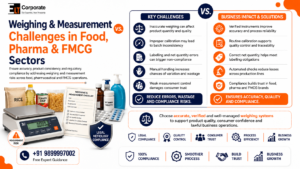
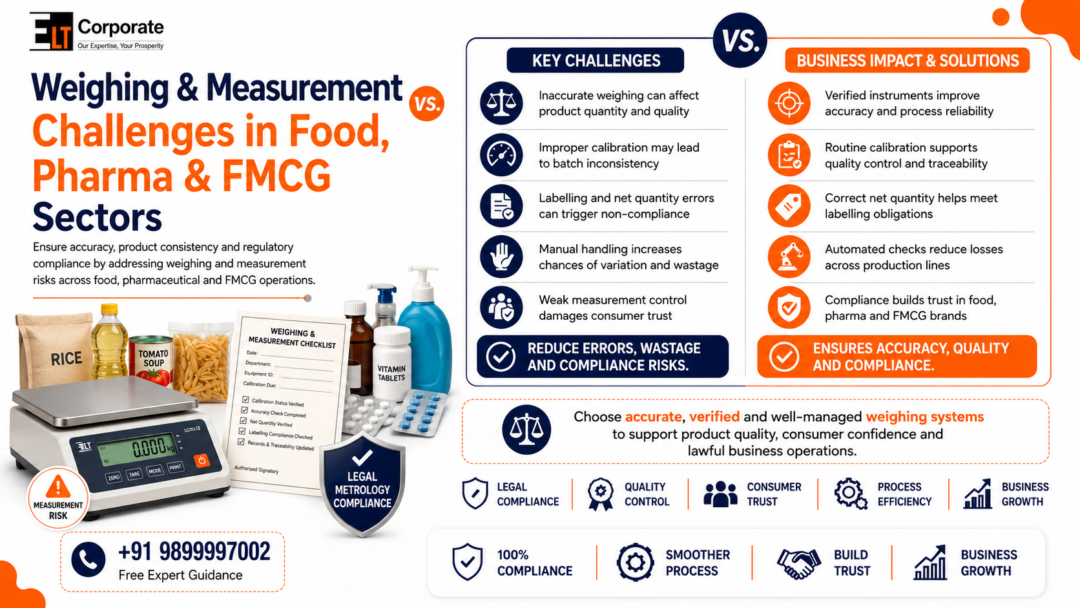
Legal Metrology Compliance for Packers
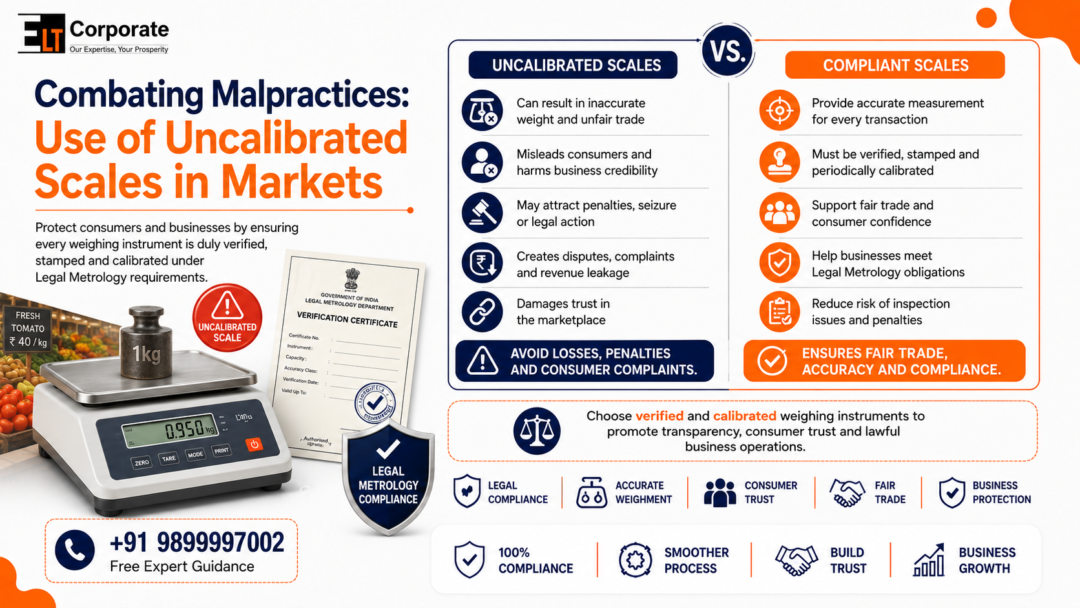
For packers managing pre-packaged goods, compliance under the Legal Measurements Act, 2009 continues even after registration.
Key Responsibilities:
- Ensure accurate announcements (MRP, internet volume, product information).
- Avoid underweight or fraudulent packaging
- Maintain packing facts
- Strictly follow packaging policies
Violations can result in fines, product confiscation, and prosecution.
Common Mistakes to Avoid
Many businesses face regulatory issues due to avoidable mistakes:
- Assuming registration is a one-time process
- Ignoring label updates
- Not applying for amendments
- Poor documentation practices
- Missing renewal deadlines
- Non-compliance during inspections
Avoiding these mistakes can save significant time, money, and legal trouble.
Best Practices for Smooth Compliance
To ensure seamless post-registration compliance:
- Set up a compliance calendar
- Maintain digital documentation systems
- Conduct internal audits regularly
- Work with regulatory experts or consultants
- Train staff on compliance requirements
A proactive approach is always better than reactive problem-solving.
Conclusion
Post-registration compliance is not just a criminal requirement—it is the backbone of sustainable commercial enterprise operations in regulated industries.
Whether you’re a packer under Legal Metrology or a manufacturer under CDSCO regulations, the guarantee to stay in compliance:
- Smooth market operations
- Reduced threat of penalties
- Strong symbol reliability
- Long-term business growth
Businesses that proactively manage compliance and research not only avoid prison troubles but additionally take aggressive advantage within the marketplace.